We asked the following questions of New Bedford through a formal Freedom of Information Act (FOIA) request.
- Does the Woodcock Rifle Range meet the environmental standards of the EPA?
- Specifically, what lead abatement and mitigation measures are in place?
- What, if any, soil and water testing has been conducted?
- How do the range owners mitigate the risk/impact of water runoff?
- Is any special treatment afforded to the wetlands that exist within and bordering the parcel of land owned by the range operators?
Despite an obligation to respond, we have yet to receive answers to our questions.
Why is this important?
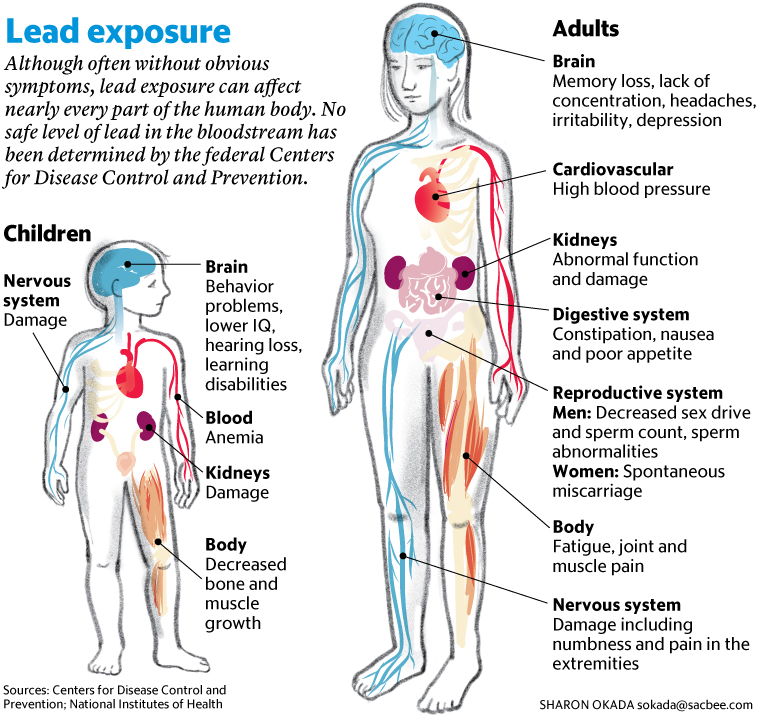
Lead exposure is associated with many serious health issues, ranging from neurological damage to cardiovascular problems, particularly affecting vulnerable populations such as children and pregnant women.
Other chemicals of potential concern at shooting ranges include arsenic and antimony (components of ammunition), nickel (coating on some shot), copper, zinc, strontium and magnesium (present in tracer ammunition).
The dangers of contamination from shooting ranges are serious. Pieces from bullets, targets, or primers at a shooting range can move around in nature. It depends on how deep the water is underground, the weather, the type of soil, or how close it is to other bodies of water at the range. The contamination can end up in the water underground or on the surface. Left unmanaged, it poses a health risk to wildlife or people.
As a result, the Environmental Protection Agency (EPA) has established best practices for shooting ranges to minimize environmental impacts and ensure the safe operation of these facilities. These guidelines emphasize the importance of proper lead management to prevent soil and water contamination. Best practices include implementing lead reclamation programs to recover spent bullets, regularly inspecting and maintaining backstops to prevent lead dust dispersion, and using appropriate erosion control measures to contain lead-contaminated soil.
The EPA has extensive documentation around best practices for outdoor shooting ranges:
Massachusetts has some additional guidance:
The Comprehensive Environmental Response, Compensation, and Liability Act (CERCLA) imposes liability on past and present owners or operators of properties where a hazardous substance is released into the environment. Under CERCLA, lead is considered a hazardous substance.
The Resource Conservation and Recovery Act (RCRA) provides the framework for the nation’s solid and hazardous waste management program. The RCRA can apply to many phases of range operation because lead bullets/shots, if abandoned, may be a solid and/or hazardous waste and may present an actual or potential imminent and substantial endangerment. The EPA document cites examples where shooting into water, wetlands, rivers, creeks, and other sensitive environments has the highest degree of litigation risk.
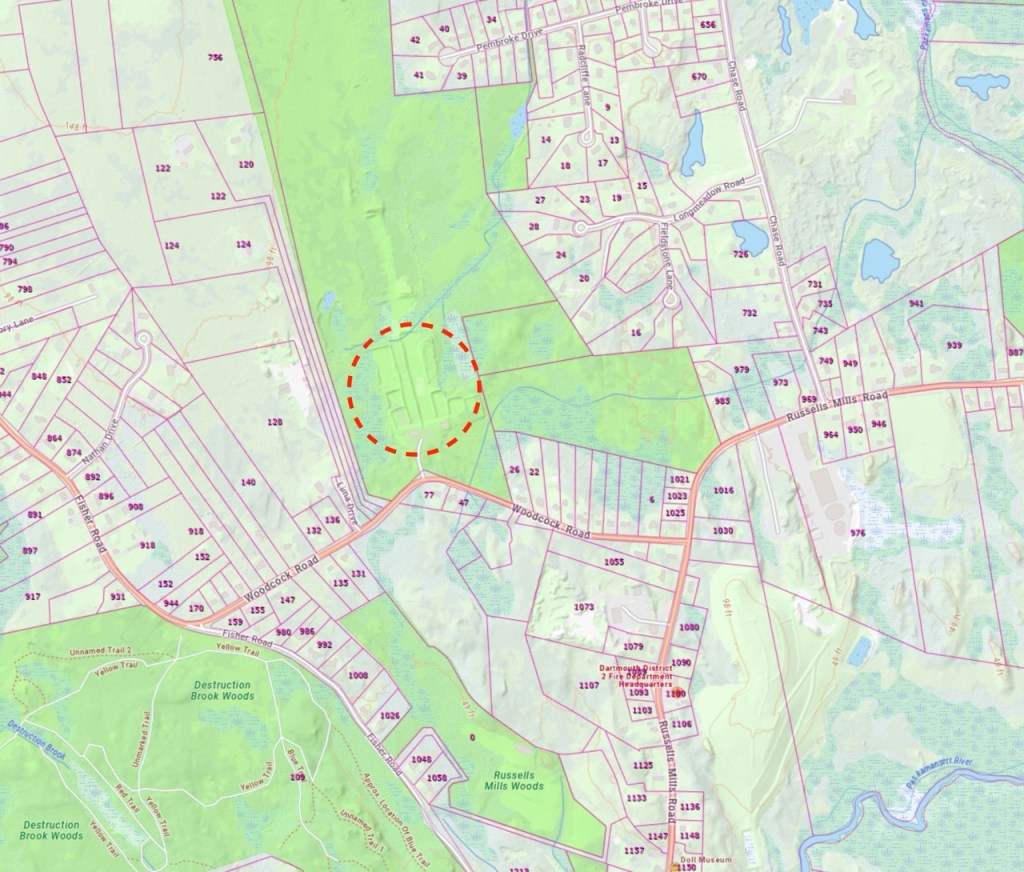
The MassGIS (Bureau of Geographic Information) shows the presence of wetlands on the range property. The presence of wetlands, coupled with the risk of water runoff, can expose sections of Dartmouth to lead from the range.
Furthermore, the range is also located within a Zone II wellhead protection area. Zone II is the area of an aquifer which contributes water to a well under the most severe pumping and recharge conditions that can be realistically anticipated. This is very scary for Dartmouth residents with wells. The threat of contamination is real.
 DQCC
DQCC 